-01.svg)


pen Cosmos Atlantic, the Portuguese entity of Open Cosmos, the company that builds satellites to understand and connect the world, has been chosen by the European Space Agency (ESA) to lead a mission consolidation study within the ERS-EO. The ERS-EO (European Resilience from Space - Earth Observation) programme is a new European Earth observation resilience initiative. If successful, this study will lead to the implementation of a full satellite mission with Open Cosmos Atlantic as the prime contractor. Starting with a €750k study, the potential contract is worth over €25M.
This would be the first time a Portuguese entity would prime an ESA space mission. Open Cosmos Atlantic brings together deep roots in Portugal with the proven heritage of Open Cosmos Group. Open Cosmos Group has already delivered more than 17 satellites in space with several dozens more to launch over the next few years, some as a prime to ESA.
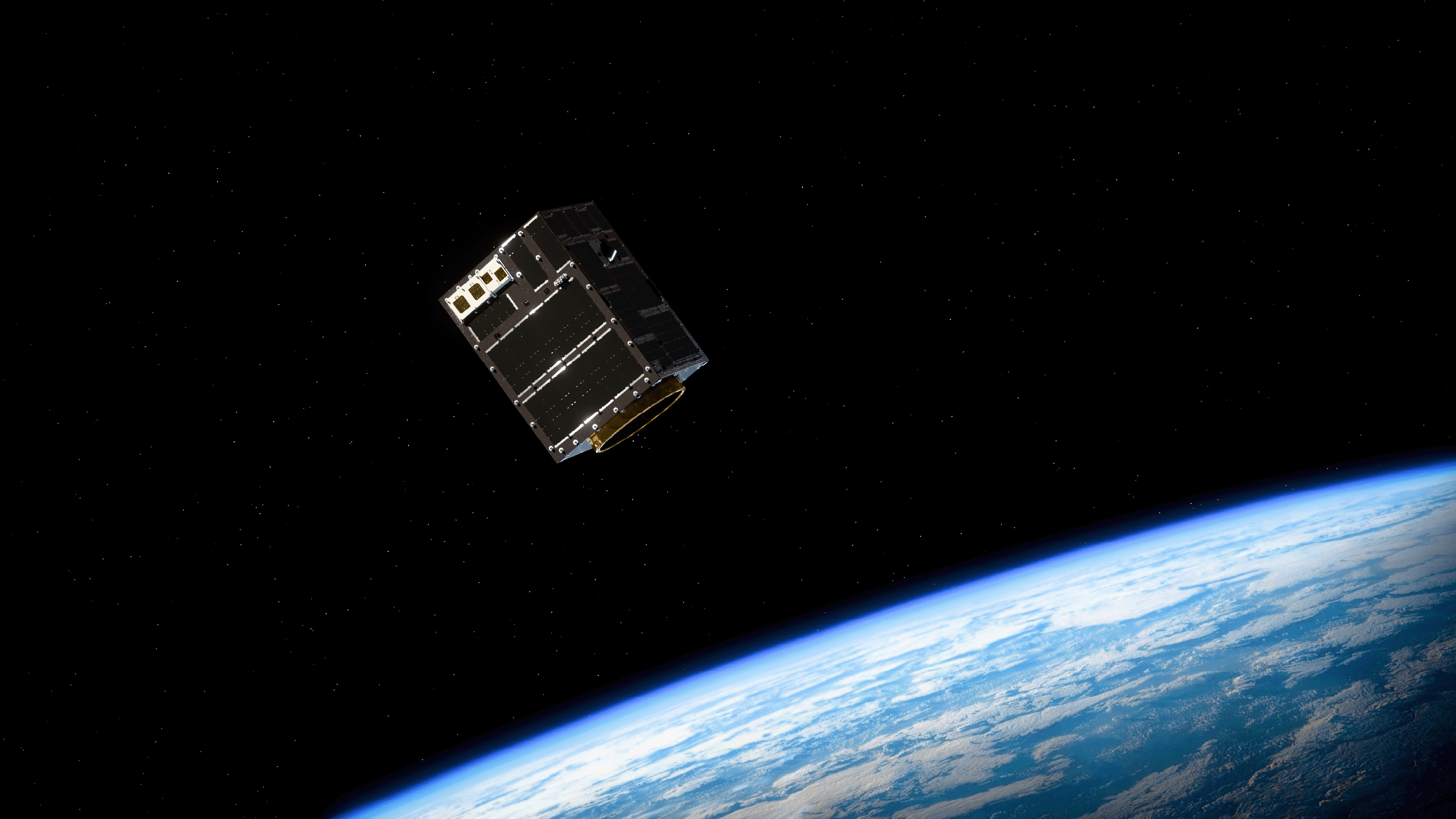
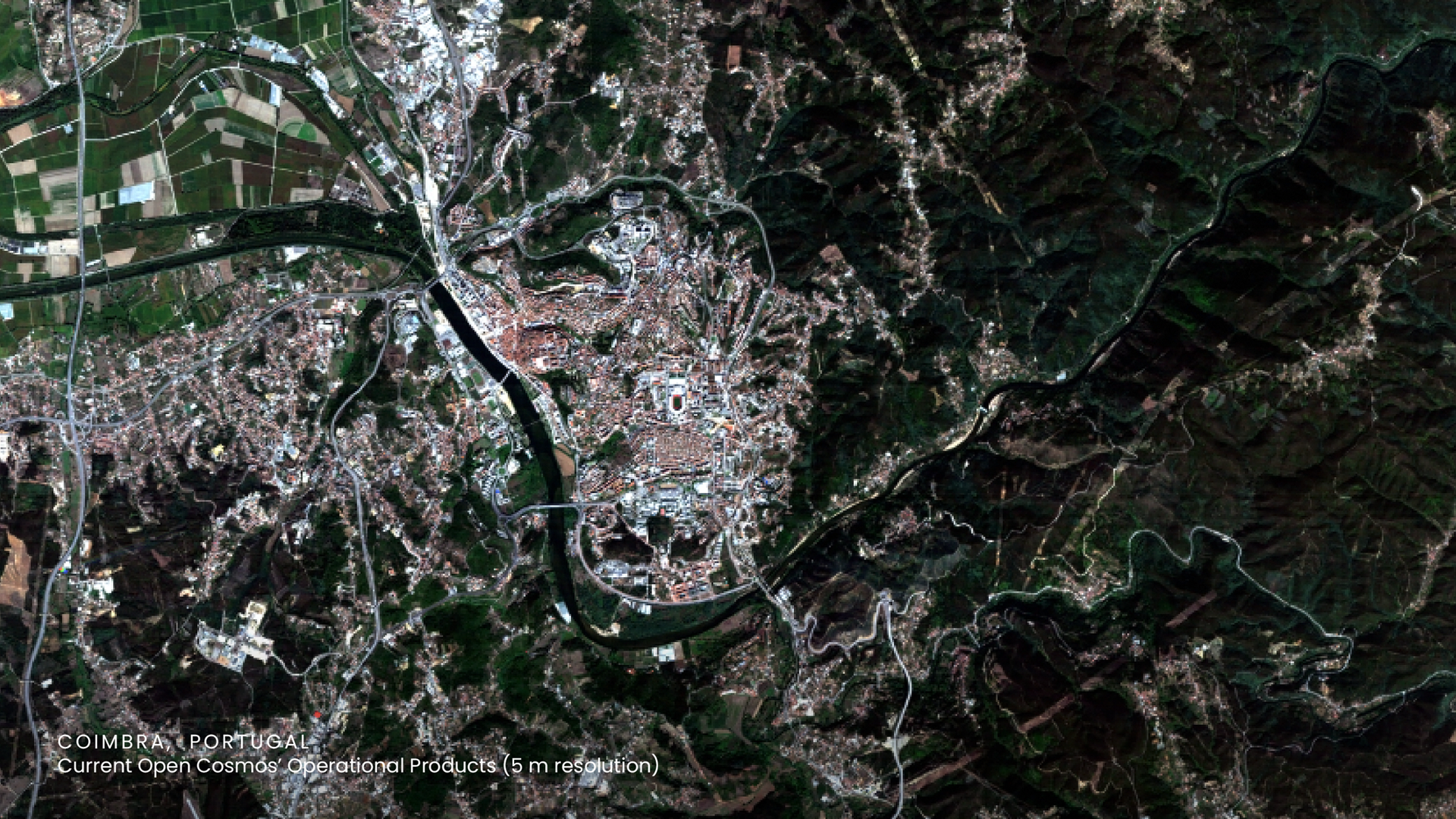
Operating in Portugal since 2022, Open Cosmos Atlantic is currently executing a €50 million in-country investment plan, having already deployed more than €15 million to date. The ongoing strategy includes the construction of a satellite factory in Coimbra, hiring 50 new employees to double the team, and launching 4 new High-Resolution Earth Observation satellites developed and built in Portugal, that it will operate. A key expertise together with telecommunications, to mature this new ERS-EO mission to reduce information age, one of the critical concepts identified by ESA as being at the forefront of European capabilities and essential for its sovereign capability.
“With this project, Portugal takes a leading role in an emblematic European programme, which attests to the development of cutting-edge space technology on national soil, the sector's capacity to create employment, and places our country at the forefront of the European space sector.”, says Tiago Rebelo, Chief Revenue Officer of Open Cosmos.
It typically takes hours from the moment an image is taken by a satellite and the moment it reaches the ground for processing before being shared with the end user. The limiting factors are the time for the satellite to be in view of, and download the image to, a ground station; and the processing time. The mission concept proposes 2 novelties. Firstly to use inter-satellite links to establish a direct link to a ground station that would be otherwise out of sight. Secondly on-board processing and AI-computed decision to broadcast information to a ground terminal.
The study will finish by fall with a final decision for implementation before the end of the year leading to a launch by end 2028.
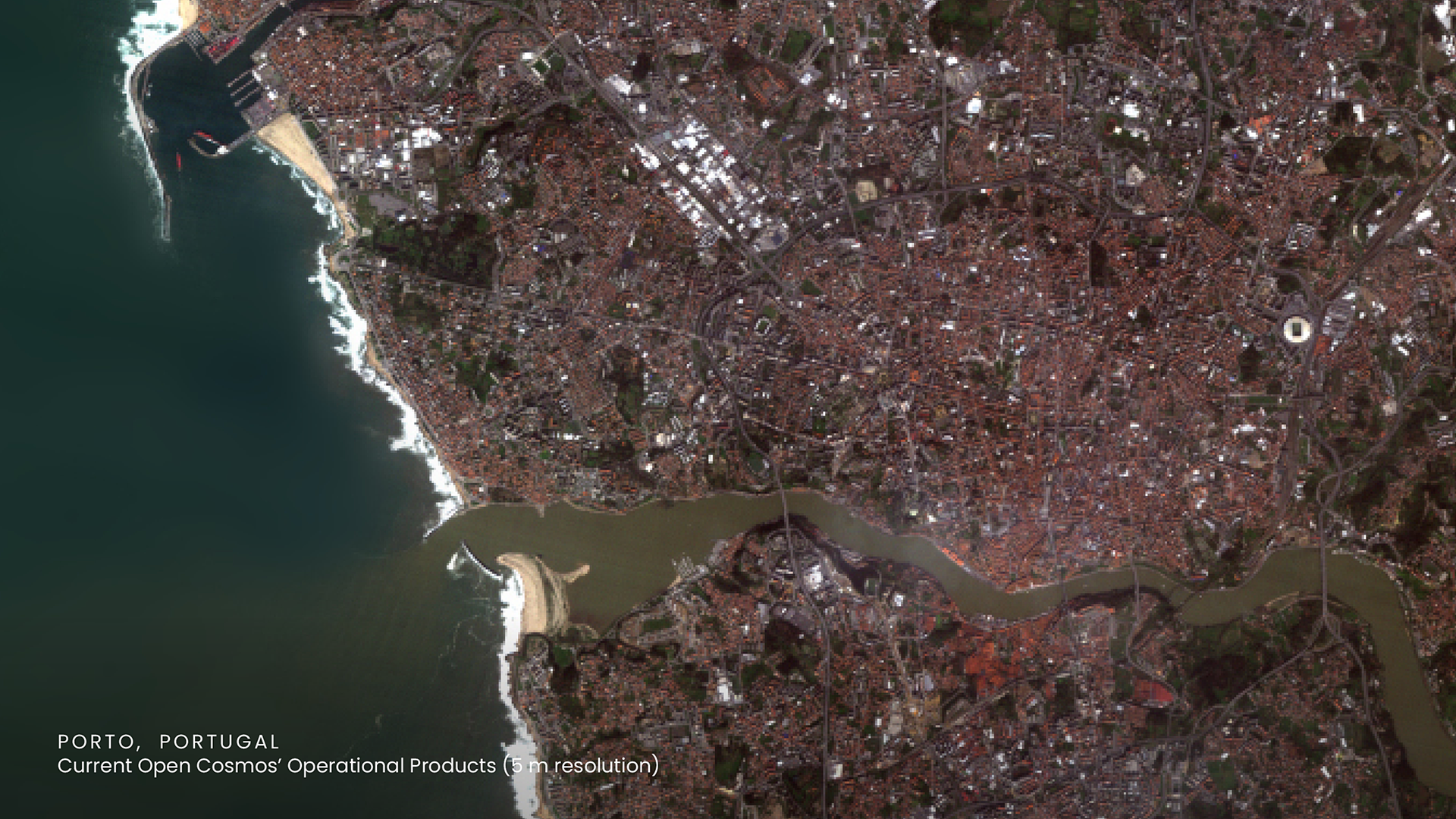
The mission, driven by a consortium of contributing EU partners but built and operated in Portugal, will deliver next-generation operational dual-use capabilities to national stakeholders. By combining sub-50cm native resolution imagery, near-real-time delivery, and intelligent in-orbit processing, this project places Portugal at the absolute vanguard of European space innovation.
An initiative of the European Space Agency, the ERS-EO programme focuses on developing Earth Observation capabilities with dual use - civil and defence - and crisis management. Announced in late 2025 with a budget of around €750 million, one of the programme's main objectives is to create an observation system with real-time response and a revisit capability of less than 30 minutes.